About HYDROXYL AMINE HCL
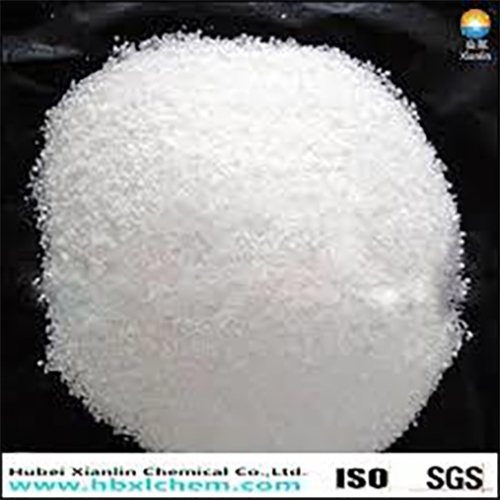
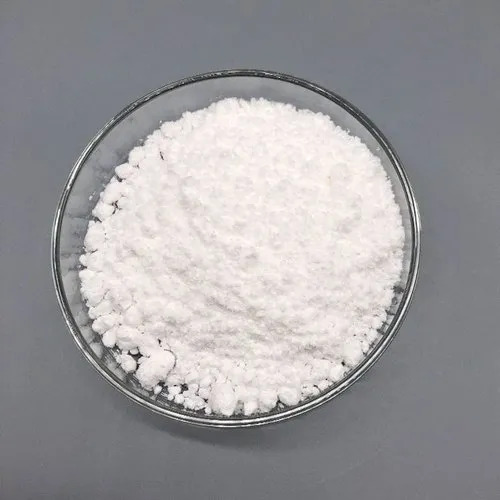
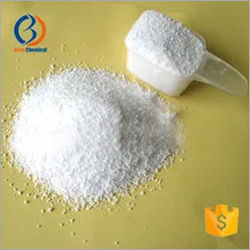
Hydroxylamine hydrochloride (NH2OH.HCl) is a white crystalline compound that is widely used in the chemical industry. It is a salt of hydroxylamine, which is a derivative of ammonia.
Hydroxylamine hydrochloride is commonly used as a reducing agent in various chemical reactions, such as the reduction of nitro compounds to amines and the reduction of carbonyl compounds to alcohols. It is also used as a precursor to other compounds, such as oximes and hydrazines. Additionally, hydroxylamine hydrochloride is used as a stabilizer for some explosives and as a developer for photographic film.
Versatile Applications in IndustryHydroxylamine hydrochloride is an essential intermediate in organic synthesis, notably for preparing oximes, pharmaceuticals, and agrochemicals. Industries such as rubber, plastics, and color films value its properties as a radical scavenger and color stabilizer. Its role in lignocellulosic biomass extraction further demonstrates its wide-ranging industrial significance.
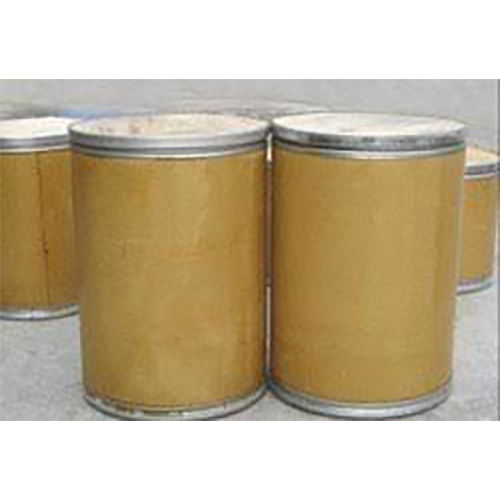
Safe Storage and Handling GuidanceThis compound should be stored at room temperature, away from strong oxidizing agents and elevated temperatures to prevent hazardous reactions. It is sensitive to air and moisture. Practicing proper storage not only ensures product integrity but also maintains workplace safety. Handling precautions are essential, though it is classified as non-poisonous under standard usage.
FAQs of HYDROXYL AMINE HCL:
Q: How should Hydroxylamine Hydrochloride be stored to maintain its stability?
A: Hydroxylamine hydrochloride should be stored at room temperature, in a tightly sealed container, away from moisture, air, heat above 65C, and strong oxidizing agents. This helps prevent decomposition and ensures long-term stability.
Q: What are the main industrial uses of Hydroxylamine Hydrochloride?
A: The compound finds application as a precursor in pharmaceutical and agrochemical manufacturing, as well as in organic synthesis for preparing oximes and hydroxamic acids. Its also used as an antioxidant and radical scavenger in rubber and plastics, and as a color stabilizer in photographic films.
Q: When is Hydroxylamine Hydrochloride commonly used in organic synthesis processes?
A: It is typically used during key stages where preparation of oximes or hydroxamic acids is involved. Its reducing and nucleophilic properties make it valuable for modifying a variety of organic functional groups in laboratory and industrial settings.
Q: Where does Hydroxylamine Hydrochloride play a role in environmental or biomass applications?
A: It is utilized to remove bromine and polybromide from solutions during the extraction of lignin from lignocellulosic biomass, making it important in biomass processing and environmental chemistry.
Q: What safety precautions should be taken when handling Hydroxylamine Hydrochloride?
A: Avoid contact with strong oxidizing agents, prevent exposure to moisture and air, and never heat above 115C, as explosive decomposition may occur. Use personal protective equipment and follow proper chemical storage guidelines.
Q: How does the use of Hydroxylamine Hydrochloride benefit manufacturing processes?
A: It improves efficiency and product stability as an antioxidant and radical scavenger, accelerates vulcanization in rubber production, and enhances color stability in emulsions and photographic films, thereby elevating product quality across industries.





 English
 Spanish
 French
 German
 Italian
 Chinese (Simplified)
 Japanese
 Korean
 Arabic
 Portuguese
 Send Inquiry

