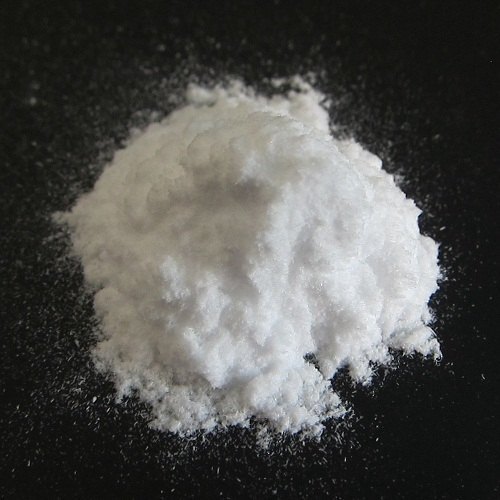
About Diethyl L Tartarate
Diethyl L-tartrate is used as a chiral auxiliary in the Sharpless enantioselective epoxidation of allylic alcohols, for Sharpless-type enantioselective oxidation of sulfides to sulfoxides and as a chiral auxiliary in the enantioselective construction of cyclopropanes from allylic alcohols by an asymmetric Simmons-Smith reaction. It is also used as a chiral reagent in a host of chemical reactions, such as the synthesis of isoquinoline alkaloids and arundic acid, which has been used in acute ischemic stroke therapy.Versatile Applications in Pharmaceutical Synthesis(+)-Diethyl L-tartrate is renowned for its significant value in pharmaceutical synthesis. This compound serves as a crucial intermediate in manufacturing numerous biologically active molecules, including alkaloids and lactones. Its purity and physical properties make it a reliable reagent for complex organic transformations observed in drug discovery and development.
Safe Storage and Handling GuidelinesDIETHYL L-TARTARATE should be stored at room temperature to maintain its stability. The liquid, with its sweet and fruity odor, is best kept in tightly sealed containers away from incompatible substances. Although slightly soluble in water and chloroform, care must be taken to follow safety protocols and avoid unnecessary exposure.
FAQs of DIETHYL L TARTARATE:
Q: How should DIETHYL L-TARTARATE be stored for optimal shelf life?
A: DIETHYL L-TARTARATE should be kept at room temperature in tightly sealed containers, away from direct sunlight and sources of moisture to ensure its chemical stability and longevity.
Q: What are the main uses of DIETHYL L-TARTARATE in the pharmaceutical industry?
A: This compound is utilized primarily as a chiral building block for synthesizing biologically active compounds, such as (+)-altholactone, (-)-aspicilin, (+)-monomorine I, and other pharmaceuticals requiring chiral purity.
Q: When is DIETHYL L-TARTARATE typically used during the pharmaceutical synthesis process?
A: It is generally applied during intermediate synthetic steps, particularly when creating chiral centers or introducing enantioselectivity in the synthesis of complex organic molecules.
Q: Where is DIETHYL L-TARTARATE manufactured and exported from?
A: This chemical is manufactured, supplied, and exported predominantly from India, serving a global market in the pharmaceutical and chemical industries.
Q: What benefits does DIETHYL L-TARTARATE offer compared to other tartarate esters?
A: Its high purity (99%) and well-defined chiral properties enhance the precision and yield in synthesizing targeted pharmaceutical compounds, contributing to overall process efficiency.
Q: How is DIETHYL L-TARTARATE identified and characterized in the laboratory?
A: Identification is achieved by assessing its physical properties: a density of 1.204 g/mL at 25C, a melting point of 17C, a refractive index of n20/D 1.446, and its characteristic colorless to light yellow appearance.
Q: What precautions are necessary during the handling process of DIETHYL L-TARTARATE?
A: Wear appropriate personal protective equipment, ensure good ventilation, and avoid direct skin or eye contact. Work in accordance with standard laboratory safety procedures due to its liquid state and slight solubility.





 Send Inquiry